



Key Insights
→ Urban growth in Africa is now primarily driven by the internal demographic dynamics of cities
→ Major metropolises simultaneously concentrate wealth creation and structural fragilities
→ The capacity to provide public services is progressing less quickly than the urban population
→ The trajectories of major cities differ significantly between West Africa, Central Africa, and Southern Africa
→ The quality of local governance largely conditions the economic and social effects of urban concentration
Key Figures
→ Approximately 588 million people live in urban areas in Africa in 2023 according to the United Nations Department of Economic and Social Affairs, accounting for nearly 44% of the continent's total population, marking an uneven demographic shift.
→ The urban population in Africa is expected to exceed 1.3 billion inhabitants by 2050 according to United Nations projections, implying a doubling in less than 30 years.
→ Nearly 80% of the continent's future demographic growth would be absorbed by cities according to the OECD, placing urban spaces at the center of African economic trajectories.
→ African urban areas produce between 50 and 60% of the continental gross domestic product according to the African Development Bank, despite an average productivity lower than that observed in Asia.
→ More than 60% of urban Africans reside in informal neighborhoods according to UN Habitat, reflecting the persistent mismatch between demographic growth and the production of formal housing.
At the continental level, urbanization is no longer a peripheral phenomenon but a structuring fact. The rapid increase in the number of urban dwellers reshapes territorial hierarchies, modifies economic balances, and reconfigures social relations within major agglomerations. This shift is not merely quantitative. It reflects a sustainable shift of the African center of gravity towards metropolitan spaces that have become both laboratories of innovation, places of wealth concentration, and hubs of multiple tensions.
The challenge is therefore no longer solely about the cities' capacity to absorb demographic growth, but about their ability to transform this density into a lever for sustainable development. Between the promise of agglomeration economies and the risk of exacerbating spatial fractures, African metropolises face a complex equation where economic imperatives, institutional constraints, and social arbitrations intertwine. It is in this unstable balance that a decisive part of the continent's trajectory is now at stake.
The African city as a demographic and economic matrix
Africa is experiencing an unprecedented human concentration in its urban spaces. According to the United Nations, the population living in cities has more than quadrupled since 1980 due to the combined effects of sustained natural growth and persistent economic attraction of major centers. This dynamic is permanently transforming the demographic structure of the continent, making metropolises the main site of population renewal.
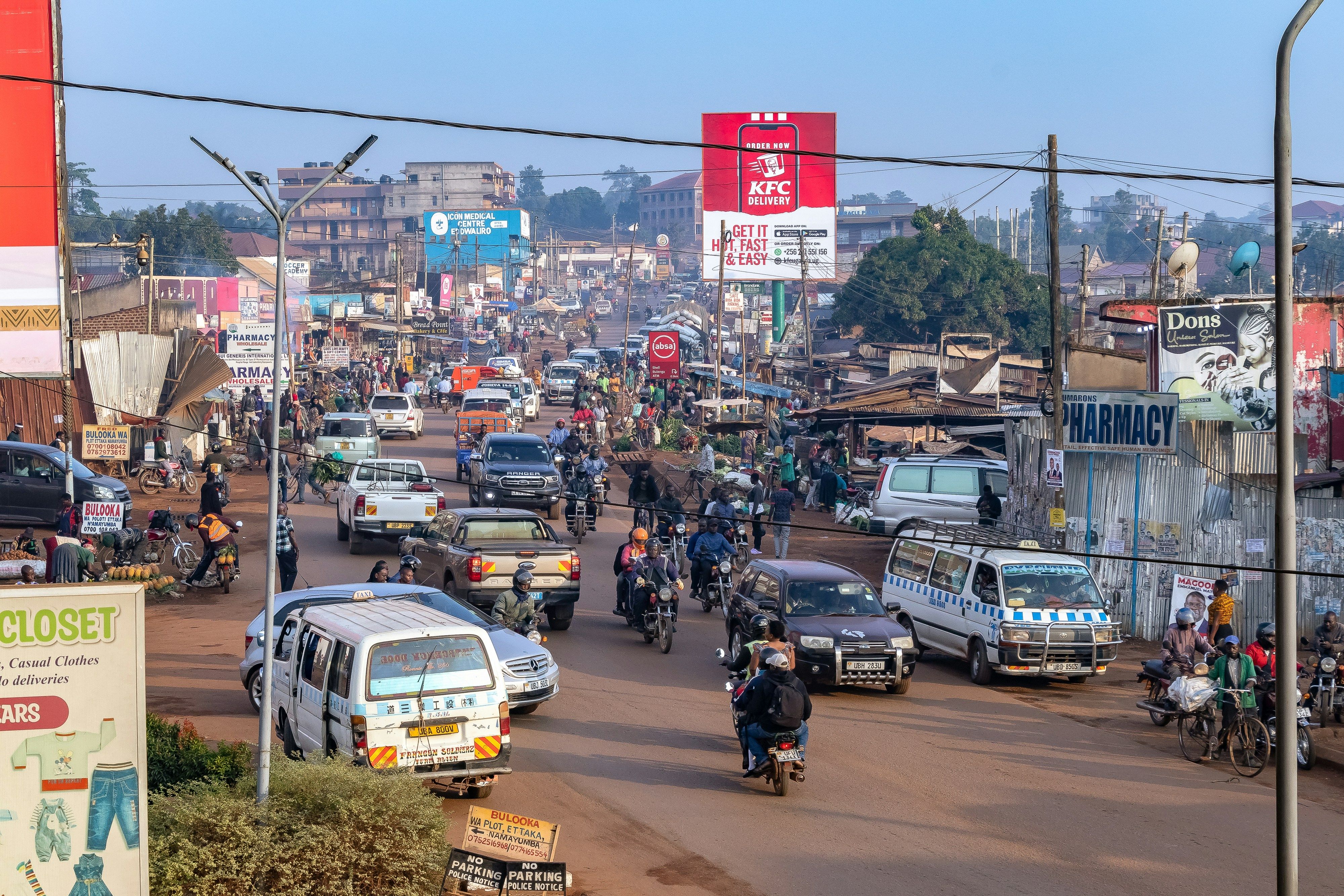
This human concentration is accompanied by a growing economic weight. The African Development Bank estimates that African cities today generate more than half of the continental gross domestic product while hosting less than half of the total population. Urban agglomerations concentrate non-agricultural jobs, market services, and command functions, but this economic centrality does not mechanically translate into a homogeneous improvement in living conditions. In the debates on urban modernization, Dr. François Gruson, an architect, warns against a display approach. Indeed, “the question is not so much to say I will create a smart city because it is a slogan.”
Aligning public services: Imperatives and blind spots of metropolitan adaptation
The rapid increase in the number of inhabitants puts existing infrastructures to the test. Access to drinking water, sanitation, electricity, healthcare, and education is progressing but remains insufficient in light of the growing needs. UN Habitat estimates that a majority of urban Africans live in neighborhoods characterized by partial or irregular access to these essential services. Comparable data by city remains fragmented, which limits the detailed analysis of territorial disparities.
Mobility systems are another indicator of urban imbalances. The spatial expansion of cities, combined with inadequately developed public transport networks, increases the commuting distances and raises their cost for households. According to the World Bank, urban Africans spend a higher share of their income on daily commuting than in most other developing regions, which restricts access to employment and weighs on the overall productivity of agglomerations. This issue of the adequacy between needs and institutional capacities is also perceived by financing actors.
Ms. Aïssata Koite, an international consultant in financial strategy, points out one of the recurring fears when it comes to structuring large urban projects.
Today, African countries are not well enough structured to receive large technological investments. It is risky and burdensome, and it worries investors.
Governance, planning, and regional trajectories: the key to sustainable urbanism
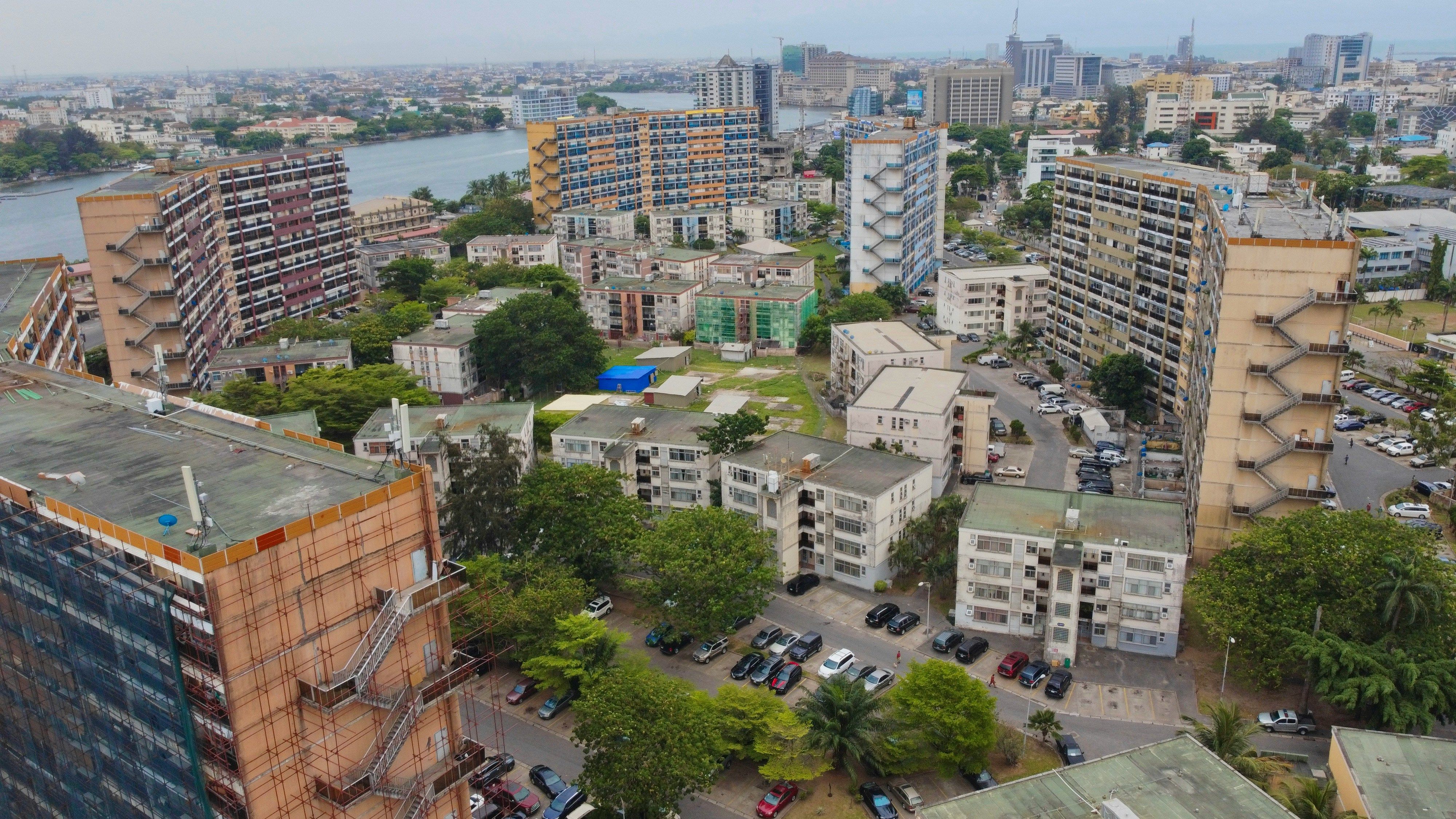
Continental urban dynamics do not follow a uniform pattern. In West Africa, city growth is dominated by very large agglomerations such as Lagos, Abidjan, or Accra, which gather population, capital, and economic activities.
In Central Africa, human concentration is rapidly progressing but is framed within more limited institutional frameworks and often discontinuous spatial organization.
In Southern Africa, urban concentration levels are higher, but historical legacies continue to structure strong territorial inequalities.
In this context, local governance appears as a structuring factor. The OECD emphasizes that cities with their own fiscal resources, clear land frameworks, and coordination mechanisms between levels of government manage to support urban population growth more effectively. Conversely, the absence of planning and sustainable financing tends to freeze metropolises in configurations marked by congestion, informal housing, and social fragmentation.
On this point, Kevin Guei, a digital transformation consultant, highlights the need for urban planning that is “tailored” rather than copied.
We do not try to copy the West but to adapt to local realities. He also reminds that planning cannot ignore the dominant economic structures of large cities. "It is necessary to take into account the informal economy which represents nearly 90% of activity in some countries.